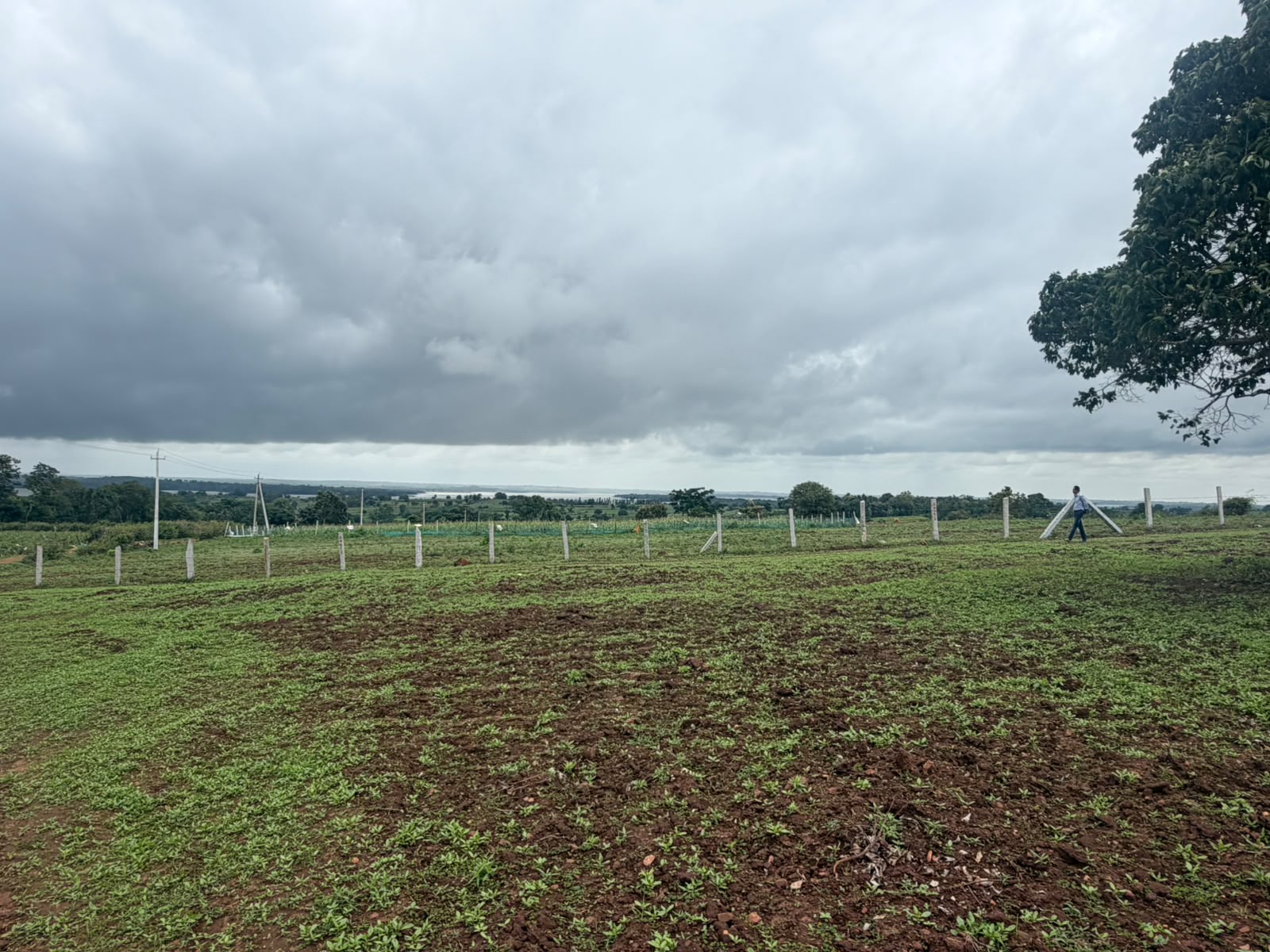
Azara Aranya
Aura Ibis
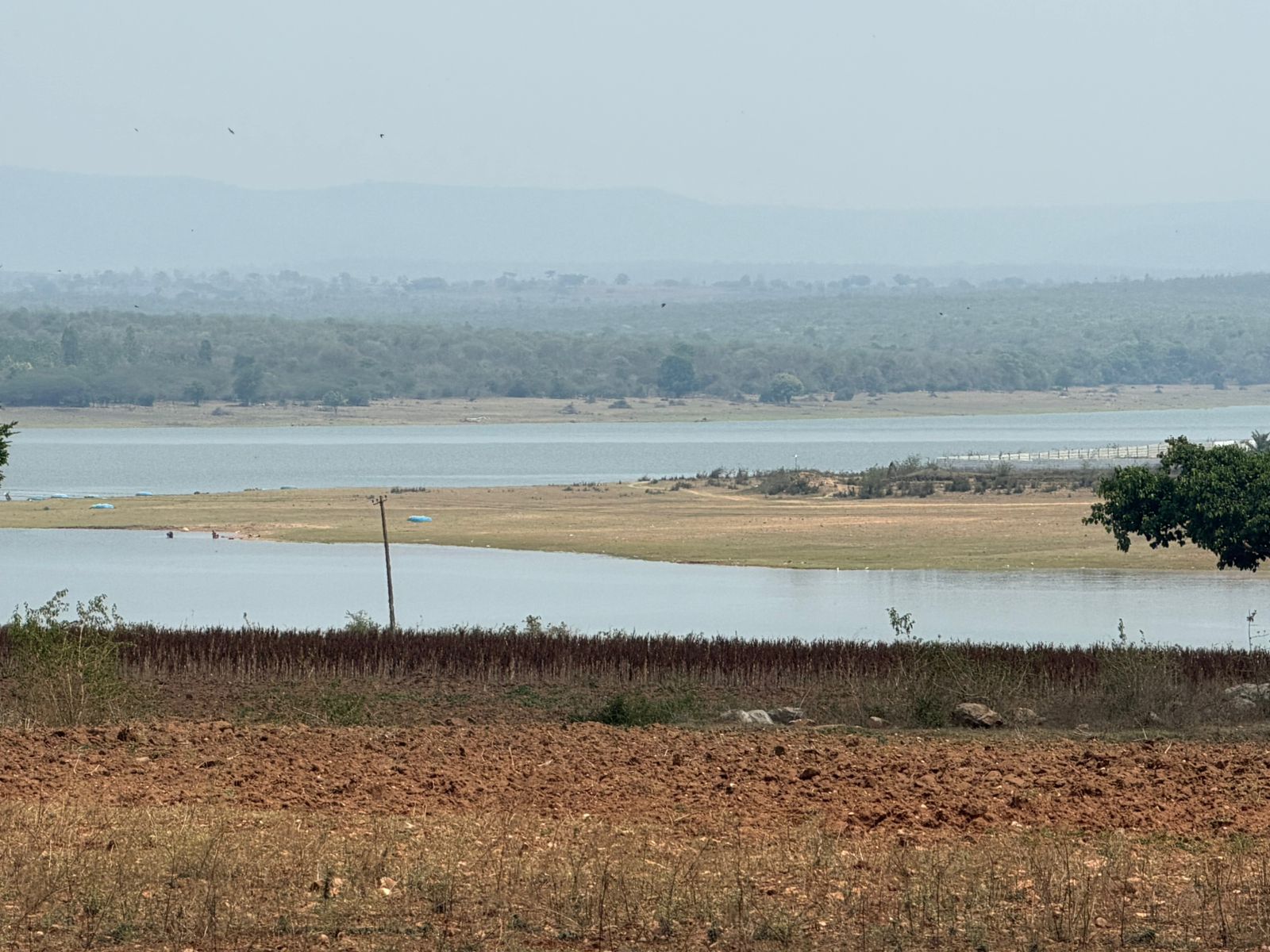
Nugu Peninsula
Chapter 01 / 06
Managed Farmland Investment with Finplify
Owning agricultural land can be appealing, but finding a suitable property and overseeing its upkeep takes time. Managed farmland investment offers a different approach: you consider farmland as a real asset while a professional team handles agreed management responsibilities. Finplify brings managed farmland opportunities into its wider real estate offering, with an emphasis on property checks and ongoing asset management.
For investors comparing a farmland investment platform with buying land independently, the important questions are practical. What exactly will you own? Who manages the land? How might it generate income? And what happens when you want to exit?
What Is Managed Farmland Investment?
Managed farmland investment involves participating in agricultural land while appointing an operator to undertake specified land-management work. Depending on the arrangement, that may include maintenance, cultivation oversight or coordination with farming partners.
Unlike purchasing a plot and personally arranging every aspect of its upkeep, a managed model separates ownership or investment participation from day-to-day operations. However, arrangements differ: some involve title to a defined parcel while others use a different legal structure.
Any potential income may depend on agricultural activity, while changes in land value may affect resale proceeds. Neither income nor appreciation is certain, and the asset may not be easy to sell quickly.
Chapter 02 / 06
How Does a Farmland Investment Platform Work?
A farmland investment platform helps you assess opportunities, understand the documentation and follow a defined process.
- 01Review the opportunity. Check the land's location, intended use, access, water availability and stated investment amount.
- 02Study the documents. Examine ownership records, title checks, encumbrances and any independent legal opinion.
- 03Confirm your rights. Understand whether you acquire a registered land interest or participate through another arrangement. Check eligibility under the relevant state's agricultural land rules.
- 04Complete the formalities. Review agreements, fees and required identity checks, commonly called KYC or Know Your Customer, before committing funds.
- 05Follow management and exit terms. Establish who maintains the farmland, how expenses are handled, what reporting you receive and how a future sale or transfer could work.
Finplify describes digital onboarding and publishes supporting property documents on its listings. For a specific farmland opportunity, verify which records and steps apply before proceeding.
Chapter 03 / 06
How to Choose the Best Farmland Investment Platform?
The best farmland investment platform for you is one that provides enough information to evaluate the land, the arrangement and the obligations you are taking on.
When comparing an agriculture investment platform, focus on these questions:
- Ownership: Is the land title clear, and what legal interest will be held in your name or on your behalf?
- Property checks: Are land records, access rights, permitted use and an independent legal review available?
- Management: Who performs the work, what is included and how is performance reported?
- Costs and income: Which acquisition, maintenance and management charges apply? Are income estimates supported by assumptions?
- Exit: Can you transfer or sell your interest, what approvals are needed and what costs might arise?
When evaluating agricultural land investment opportunities, it can also help to compare different property investment models. For instance, investors considering fractional ownership India opportunities can compare farmland with fractional ownership commercial real estate to understand differences in management responsibilities, income potential and investment risks.
Chapter 04 / 06
What Are the Risks of Farmland Investment in India?
Investing in agricultural land involves risks beyond fluctuations in property prices. Crop results may be affected by rainfall, water access, pests or operating costs. Land values can decline, and finding a buyer may take time.
Legal checks are equally important. Agricultural land ownership and transfer rules differ by state, and eligibility restrictions may apply. Title disputes, access issues and permitted-use conditions can also affect the investment. Seek independent legal advice on the specific property and proposed arrangement.
Assess farm land investment returns carefully. Harvest income and resale appreciation are separate possible sources of value, not promised payouts. Ask how any projections were calculated, which expenses are deducted and what happens if the farm earns less than expected.
Chapter 05 / 06
Why Choose Finplify as Your Farmland Investment Platform?
Finplify presents managed farmland alongside vacation homes and other real estate opportunities. Its About page says it checks property title and encumbrances, obtains written opinions from outside legal firms and shares supporting documents on listings.
The platform also describes digital KYC, ongoing asset management and access to an advisor. If you are considering managed farmland investment, ask the Finplify team for the particular property's ownership structure, management agreement, charges, expected income assumptions and exit process.
If your interest is more about spending time in the countryside than owning farmland, farm houses in bangalore for rent lead to Finplify's managed retreat offering. For leisure-property exposure instead, see its partial ownership vacation home listings.
Chapter 06 / 06
FAQs
An agricultural investment platform brings property information, legal documents and management arrangements into one place, simplifying the investment process. It can also help investors compare farmland opportunities and understand potential returns and risks before making a decision.
Neither approach is automatically better. Directly managing a property offers more operational control but also requires time and expertise, while a managed arrangement introduces service costs and reliance on an operator. Compare legal rights and total costs before choosing.
Yes, managed farmland investment can suit beginners seeking agricultural land exposure without managing daily farming operations. However, it involves risks such as fluctuating land values, uncertain income and limited liquidity, making it more suitable for long-term investors.
Farmland investment platforms are subject to different regulations depending on their structure. Direct land purchases follow state land laws, while certain pooled investment schemes may fall under SEBI regulations. Not every farmland platform is SEBI-regulated.