What Is a Plotted Development in Real Estate? Everything You Need to Know
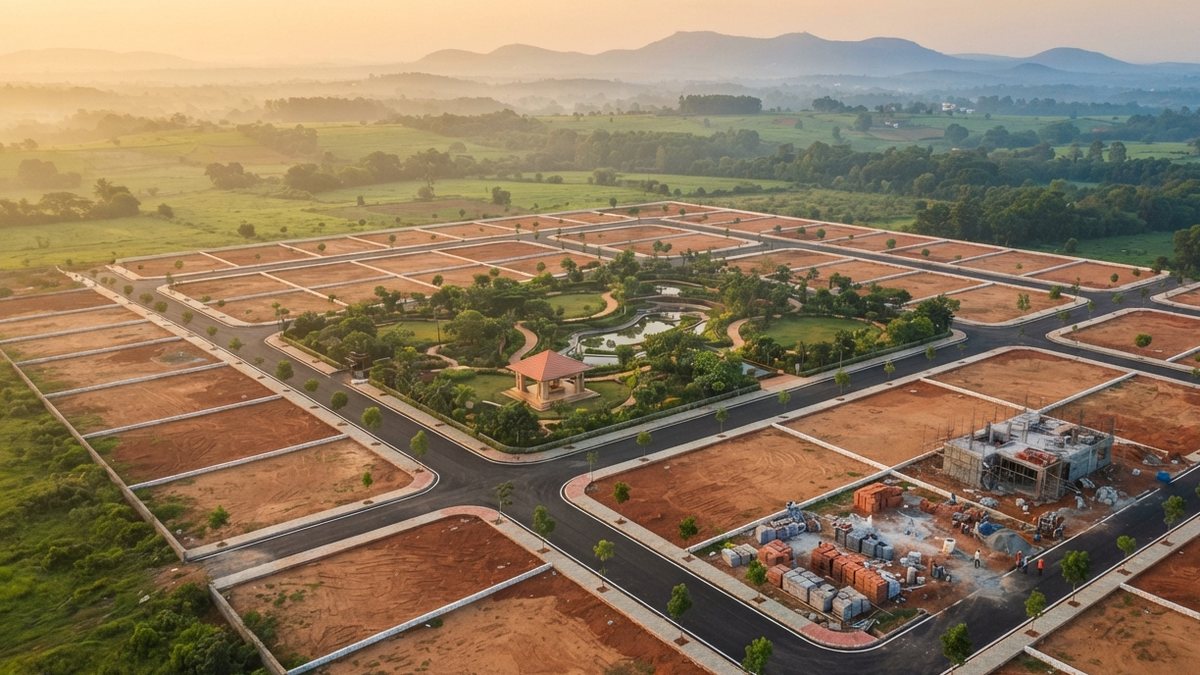
What is plotted development? It is a real estate model where a developer turns a large piece of land into individual plots and sells each one on its own. You buy a plot and plan your own home on it, within local building rules and any conditions the project sets. That choice sets plots apart from flats and ready-made villas.
Buying a plot is simpler than buying a built home in some ways and harder in others. There is no structure to inspect, so approvals and paperwork carry more weight. This guide helps you understand how these projects work and what to check before you buy.
What Is Plotted Development in Real Estate?
Plotted development is land divided into numbered plots of fixed sizes within one planned layout. The developer plans the layout and seeks approvals. Each plot is then sold to a buyer.
Unlike an apartment, you own only the land. In a properly approved project, your plot is part of a sanctioned layout with planned roads, utilities and common areas. Raw land usually has neither. A project name alone proves nothing, so confirm the approvals and check how much of the promised infrastructure exists.
How Does a Plotted Development Work?
Most projects follow a broadly similar process, from land to handover.
Land Acquisition and Layout Planning
The developer first secures the land. This happens through outright purchase or a joint development agreement, where the landowner and developer share the project. Planners then prepare a layout showing plot boundaries, road widths, access routes, drainage, utility spaces and open areas. It must follow local zoning rules and the authority's development standards.
Government Approvals and Infrastructure Development
Three things are separate here, and one does not prove the others:
- Layout approval: The relevant planning authority sanctions the layout. Agricultural land may first need conversion or other permission for non-agricultural use under state law.
- RERA registration: Under the Real Estate (Regulation and Development) Act, 2016, projects that require registration must be registered with the state authority before they are advertised, booked or sold. The Act exempts certain projects, including those within set size limits, and states that these rules differ. Check the position in your state.
- Infrastructure: The developer builds roads, drainage, water lines and power connections. Approval on paper does not mean this work is finished.
The process also varies with the intended use and scale of the project.
Residential Plotted Developments
Here the end goal is homes. After approvals, the developer sells plots to individual buyers. Each buyer later applies to the local body for a building plan sanction. Infrastructure typically covers internal roads, drainage, water supply and electricity access, though completion varies between projects.
Gated Community and Township Plots
These add a boundary wall, security and shared amenities. Parks and clubhouses are often built in stages, so the development phase runs longer. After handover, a residents' association, the developer or an appointed agency may manage upkeep. Check the charges and handover terms before you buy.
Commercial and Mixed-Use Plotted Developments
Commercial layouts provide plots for permitted business uses such as shops and offices. Mixed-use layouts may allow both homes and businesses, subject to the approved plan and zoning rules. You may build for an approved use or lease the property with the relevant permissions. If you prefer not to buy land outright, you can read about fractional investment in commercial real estate, which covers commercial property listed on Finplify.
Plot Allotment, Registration and Ownership Transfer
A freehold plot purchase usually follows these steps:
- Booking: You pay a booking amount and receive an allotment letter. In RERA-registered projects, the developer cannot collect more than 10% of the plot's cost before signing and registering an agreement for sale.
- Agreement for sale: It fixes the plot area, price, payment schedule and handover date. It is your main protection until the sale deed.
- Payments: You pay in stages as the agreement sets out.
- Sale deed: It is signed and registered at the sub-registrar's office after you pay stamp duty and registration charges.
- Mutation: You apply to update revenue or municipal records in your name. Mutation updates records. It does not create ownership by itself.
Legal ownership passes through the registered sale deed. Not the allotment letter. Leasehold and authority-allotted plots may use different documents and conditions.
What Are the Different Types of Plotted Developments?
Types also differ by who develops the land and how it is approved.
| Type | Who develops it | What to know |
|---|---|---|
| Authority-developed plots | A government development body | Often allotted by scheme or auction. Rules on resale and building vary. |
| Private approved layouts | A private developer | Check the layout approval and RERA number. |
| Gated townships | A private developer | Larger scale. Expect shared amenities and maintenance charges. |
| Agricultural land or unapproved layouts | Individual landowners or private sellers | Agricultural land may be limited to farm use. Unapproved layouts may lack planning permission. Both need careful legal checks. |
Farmland is a different asset from a plot in an approved layout. A farmland investment platform such as Finplify lists managed farmland options. Your rights there depend on the investment structure, so they are not the same as owning the land directly.
What Are the Benefits & Risks of Investing in Plotted Developments?
Possible benefits
- You own the land and plan the home yourself, within the rules.
- A vacant plot needs less upkeep than a building. Taxes, security, land clearing and common-area charges may still apply.
- The purchase price may be lower than a finished home nearby. Add registration charges, taxes and future construction costs to compare fairly.
- Approved layouts offer planned roads and utilities.
Risks to weigh
- Land values can stay flat for years or fall. They depend heavily on connectivity, local demand and infrastructure.
- An empty plot earns no rent. Income is not guaranteed even if you lease it later.
- Finding a buyer can take time, especially where demand is thin.
- Title or approval problems can block a sale or a loan.
- Promised infrastructure can arrive late.
Buying a plot directly means funding the whole purchase, through savings or a loan. Finplify has a page on plotted development if you want to see what it lists. Fractional ownership has its own risks and terms. Read them closely before you decide.
What Legal Documents Should You Check Before Buying a Plot?
Ask for copies and have a property lawyer review them. No single document settles everything.
- Title deed and past ownership records: Trace the chain of ownership. Your lawyer should also look for disputes, inheritance claims or limits on transfer.
- Encumbrance certificate: It lists registered mortgages, charges and transactions for the period searched. It may miss unregistered claims and pending court cases.
- Sanctioned layout: Match the plot number, dimensions, access road and land use against what you are offered.
- RERA registration number: Verify it on your state RERA website.
- Land use conversion order: Needed where state law requires it for former agricultural land.
- Draft agreement for sale: Read payment terms, handover date and penalty clauses.
- Property tax receipts: Review the latest ones and ask for written confirmation that no dues are pending.
Then visit the site. Compare the layout and survey records with the actual boundaries. Confirm lawful road access and look for encroachments.
Conclusion
A plot rewards patient checking more than quick decisions. If you are comparing other ways into property, you can read about vacation home fractional ownership or speak to a wealth manager on Finplify.
This post is for information only and is not investment advice. Assess your own situation or consult a qualified professional before you decide.
FAQs
What Facilities Are Included in a Plotted Development?
Most projects plan internal roads, drainage, water supply, electricity connections and street lights. Gated projects often add compound walls, security, parks and a clubhouse. Ask which facilities are already built and which are only promised.
Can You Build a House Immediately After Buying a Plot?
Not usually. You need a sanctioned building plan from the local authority, and some projects set design rules or construction timelines. Utility connections for your plot may take extra time.
Is RERA Registration Mandatory for All Plotted Developments?
Not for all. The Act exempts certain projects, including some below set size limits, and states apply the rules differently. Look up the project on your state RERA website and ask the developer for a written reason if it is not registered.
Can You Get a Bank Loan to Buy a Plot in a Plotted Development?
Yes. Many banks and housing finance companies offer plot purchase loans. Approval depends on your eligibility and the plot's documents, such as an approved layout and clear title. Terms often differ from home loans, so compare offers.
Do Plotted Developments Have Monthly Maintenance Charges?
Gated communities and townships often charge monthly or yearly fees for security, parks and common areas. Open layouts may charge little or nothing. The agreement should state the amount and who collects it.
Can NRIs Purchase Plots in India?
Generally yes for residential and commercial plots. Agricultural land, plantation property and farmhouses are generally restricted for NRIs under FEMA rules. Confirm current rules with a qualified professional.
Is a Corner Plot Better Than an Interior Plot?
Neither is always better. Corner plots often have more frontage and light but may cost more and carry extra setback rules. Interior plots can be quieter and cheaper. Choose by budget and how you plan to use the land.
Can a Plotted Development Project Be Sold Before Completion?
It depends on what you hold. Before the sale deed, you hold only an allotment, and transferring it needs the developer's consent under your agreement, often with a fee. Once the sale deed is registered in your name, you own the plot and can sell it like any other property.